![[napron]](http://images.squarespace-cdn.com/content/v1/6a904528f62d0561caa8f228/0e193b7f-48c6-4ab4-99b6-61343de4b742/napron+logo.png?format=1500w)
Beautifully crafted, small batch textiles for
KITCHEN, GARDEN & HOME
discover KITCHEN
explore GARDEN
stay HOME
today, we’re loving…
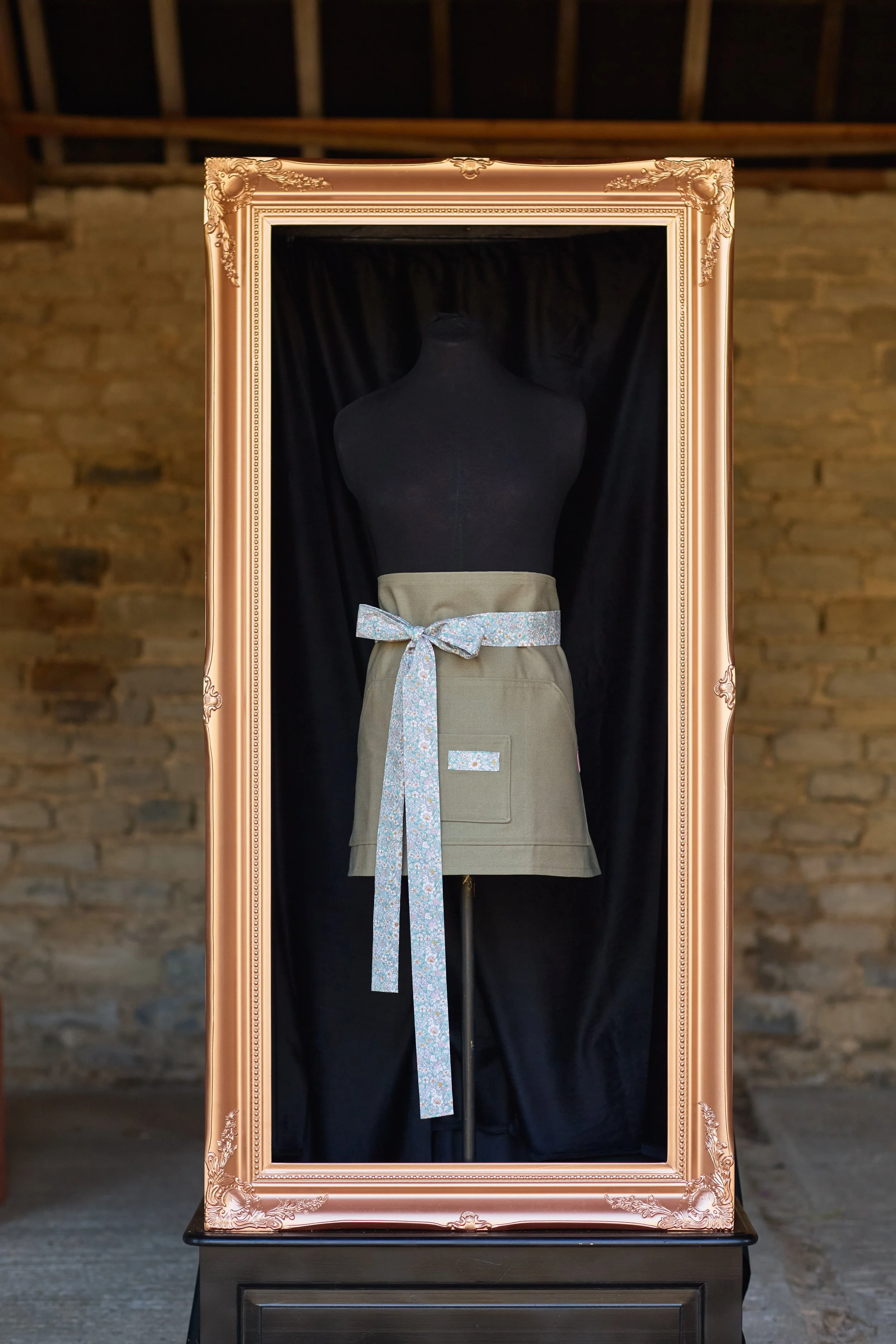
Double layered, medium weight cotton canvas waist apron. Featuring blue floral, extra long waist ties and patch detail. Three generous pockets and a small front pocket for seeds, sweets or mobile phone.
100% cotton
Approx size: (H)45cmx(W)73cm
Wash at 30° - dry naturally, medium iron on reverse.
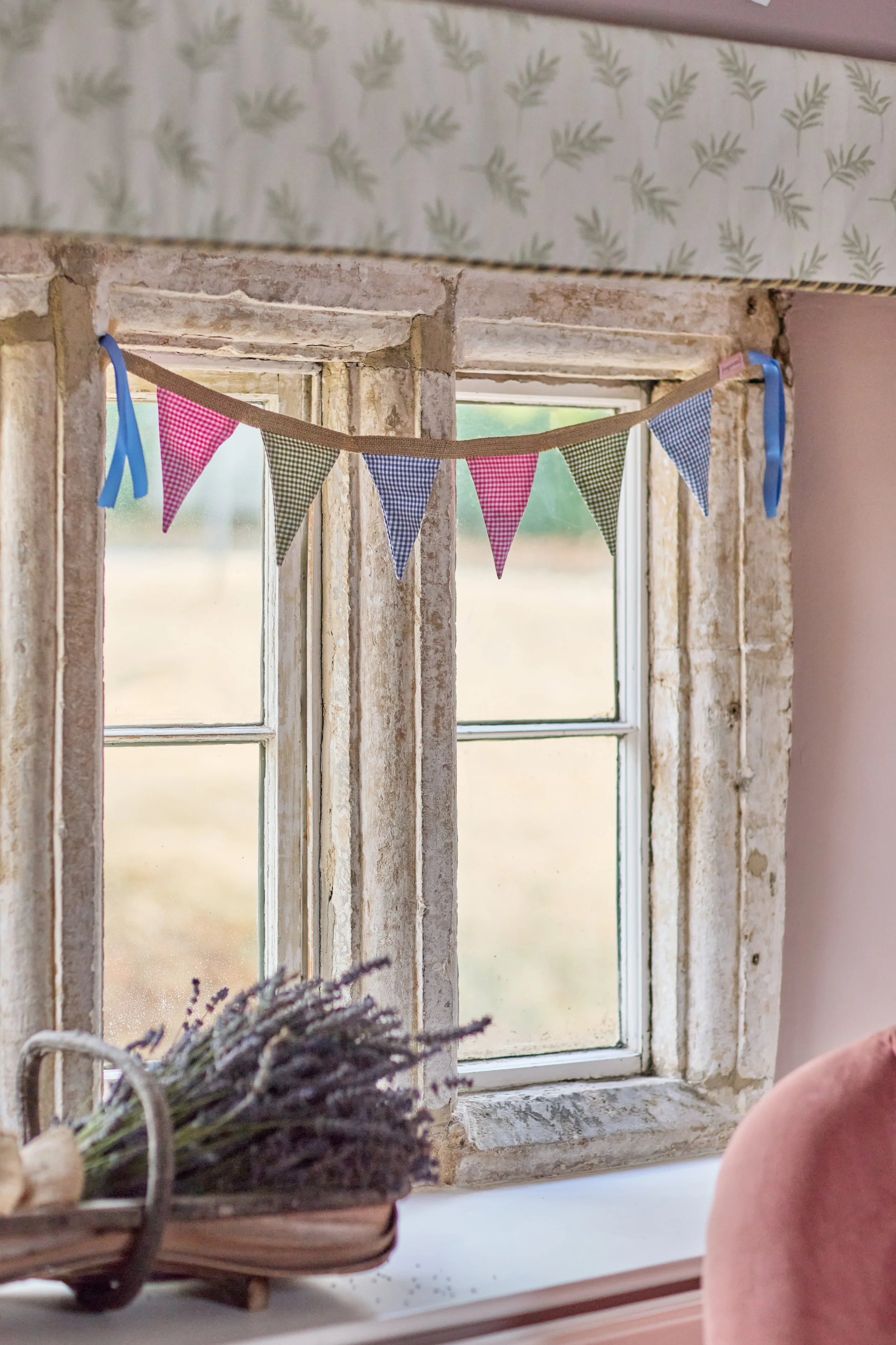
Double sided, lavender filled scented bunting. Perfect for hanging over windows and door frames as a natural and calming room fragrance.
Six scented sachets, approx 85cm long with tie ribbons for hanging
100% cotton with hessian trim.
Organic French lavender fill.
Do not wash
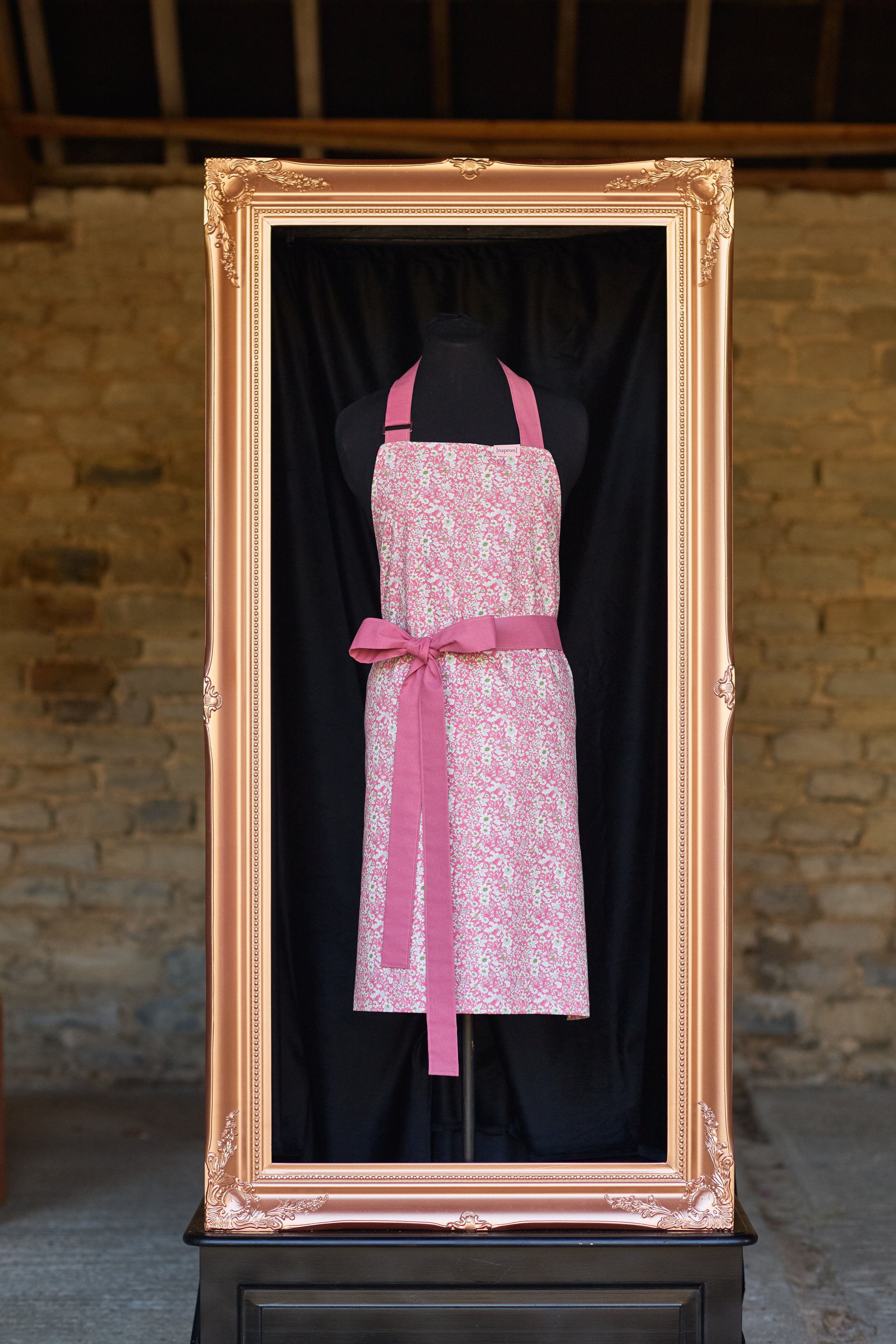
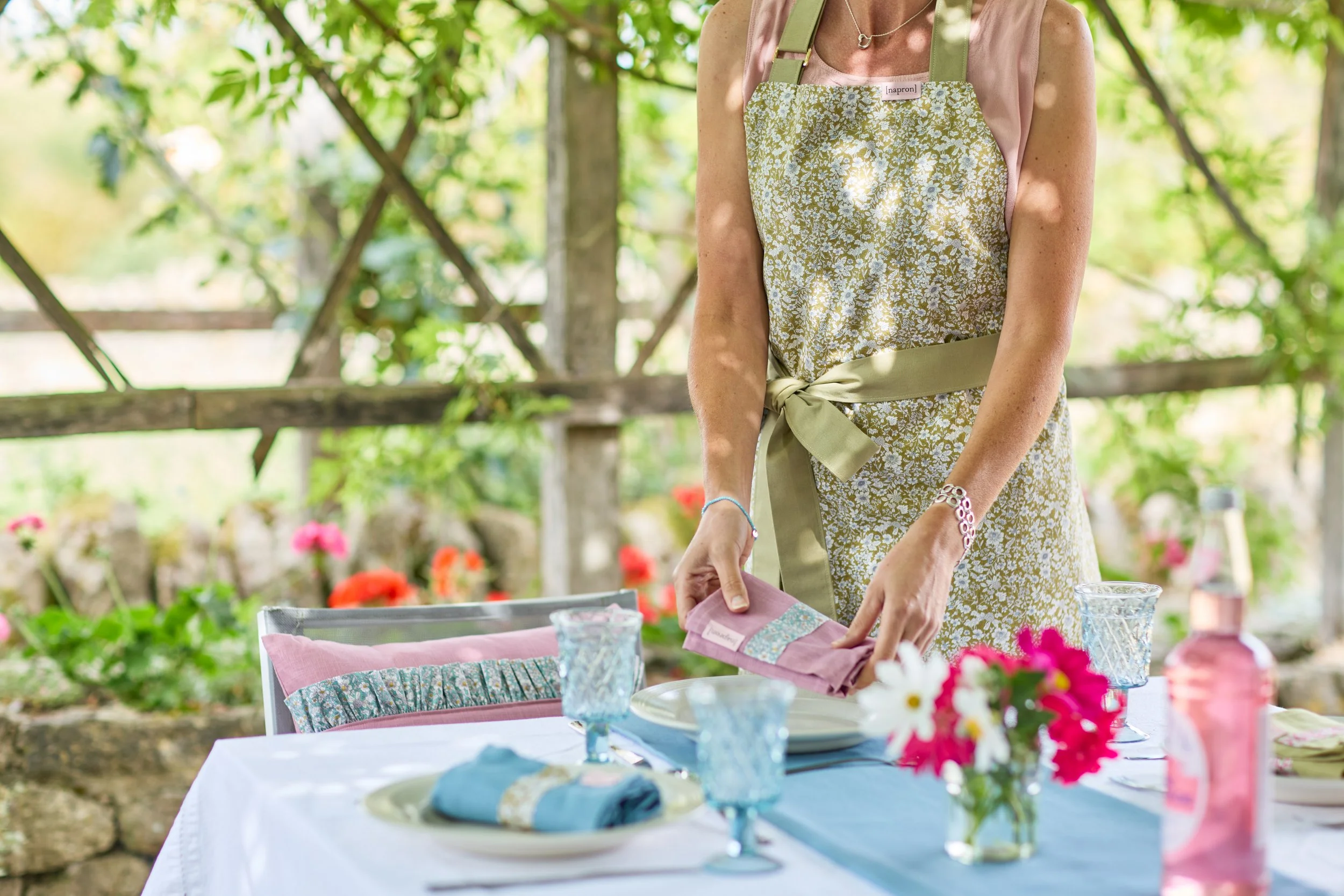
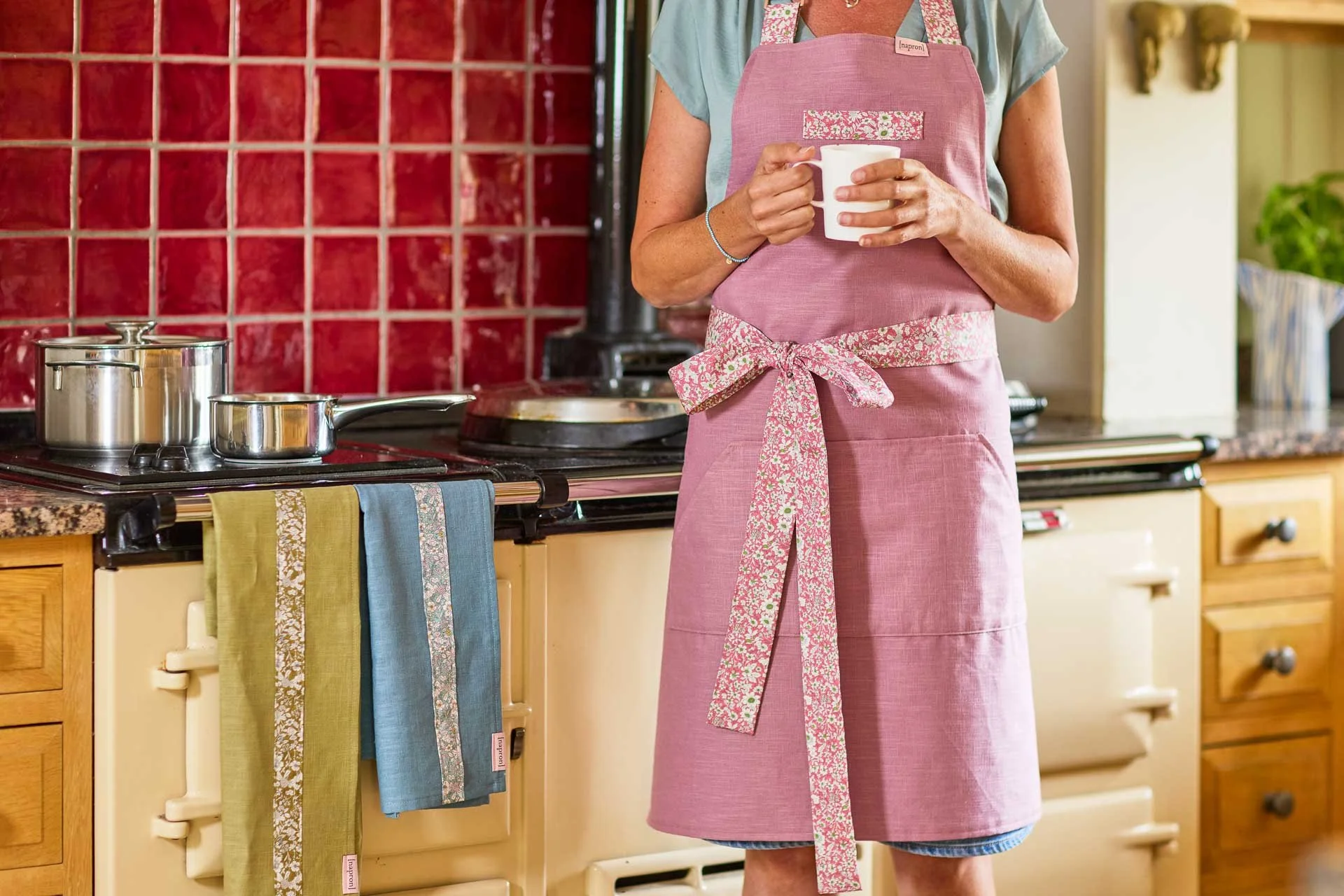
Featuring pink floral print, our hostess apron comes with a plain pink adjustable neck strap and extra long waist ties. Rose gold finish metal wear. Plain pink lining.
100% cotton
Approx size: (H)84cmx(W)70cm
Wash at 30°C - dry naturally, medium iron on reverse
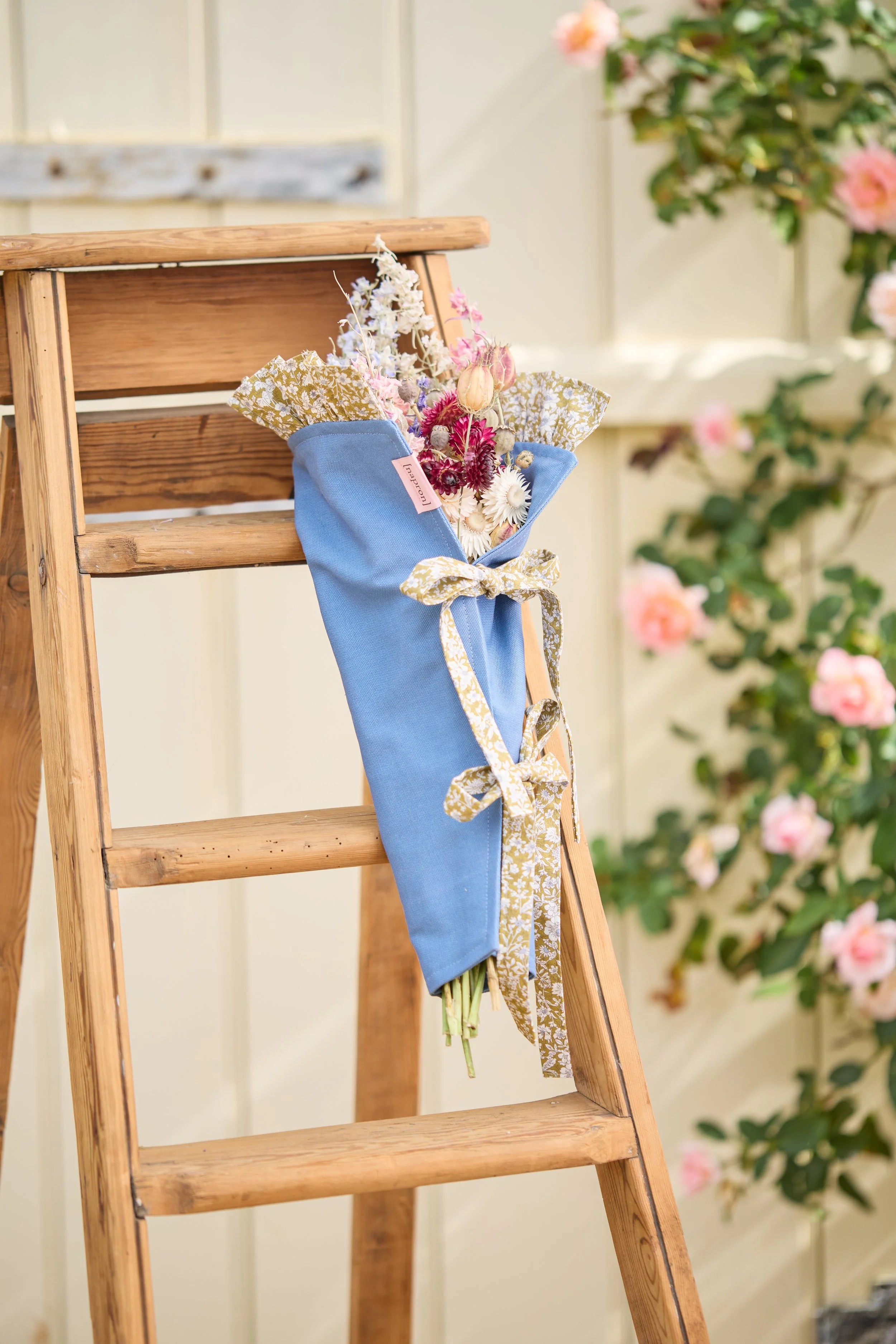
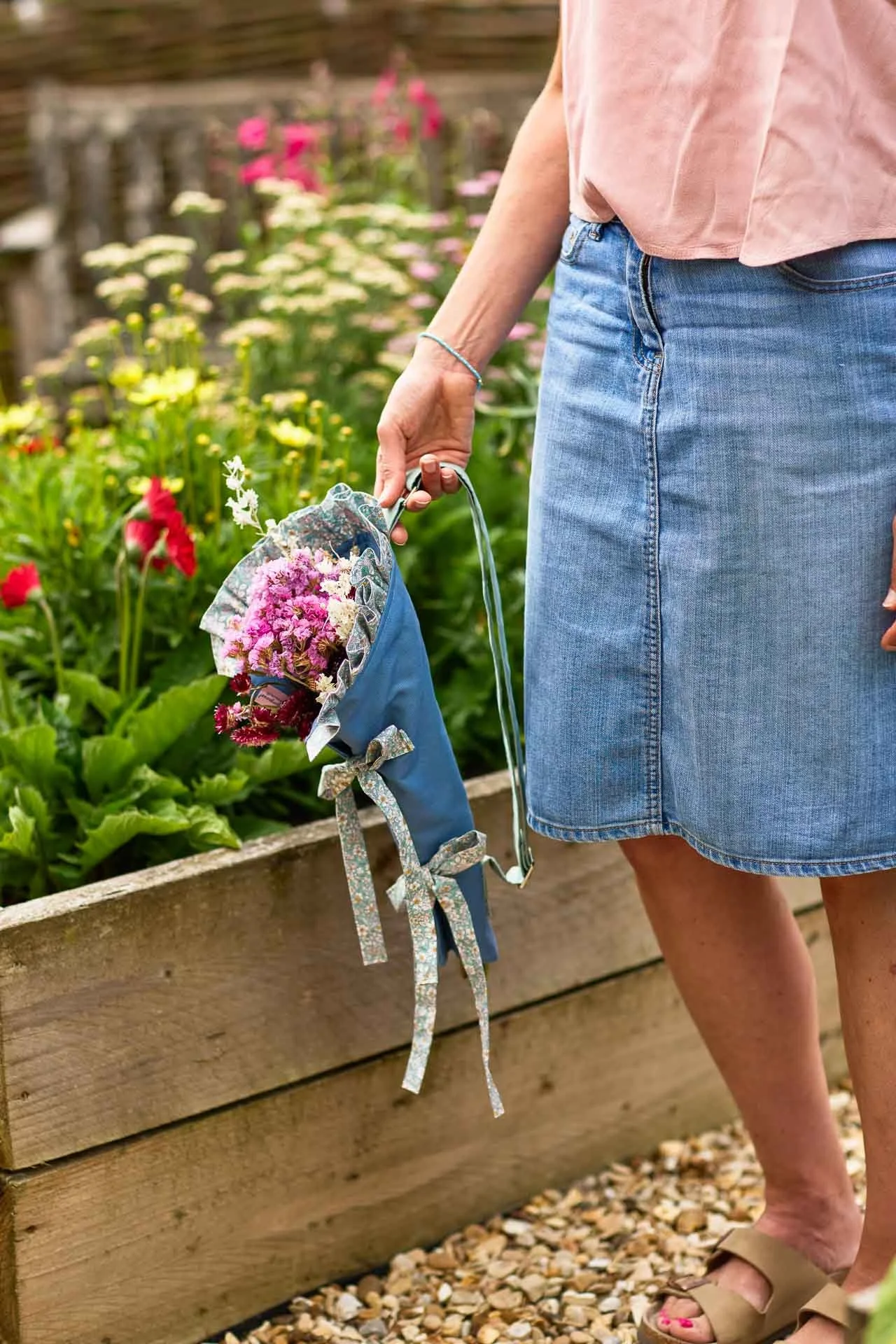
Medium weight double layered canvas flower bag with floral green frill and double ties. Also features an interior pocket for securing shorter stems and an adjustable shoulder strap. Gold finish metal ware.
Approximate size: 45cm (H) 41cm (at widest point)
100% cotton.
Wash at 30° - dry naturally, medium iron on reverse.
History and Her Story
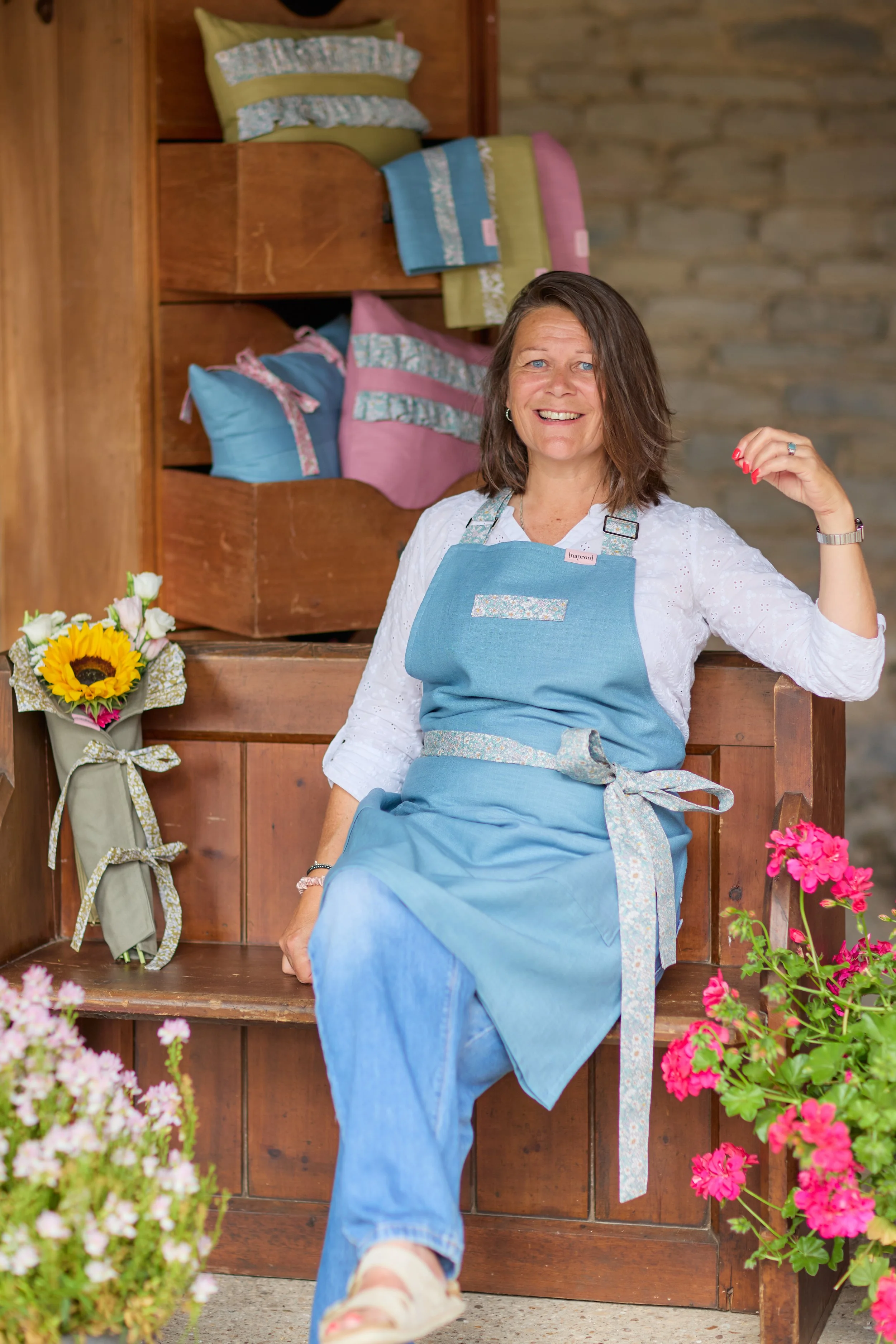
Like many female-founded businesses, [napron] came from the desire to create something I couldn’t find elsewhere.
The apron is a timeless and ever-evolving garment. First recorded in Pharaonic Egypt, by the 15th century the napron (derived from the Old French naperon meaning ‘a little piece of cloth’) had reached Middle England. Used as a tough workwear garment, it became a badge of identity for medieval trade guilds — from butchers to stonemasons.
However, by the 16th century, the apron (the ‘n’ having been dropped to turn ‘a napron’ into ‘an apron’) had transcended its utilitarian origins to become an item of high fashion. Wealthy Elizabethan women wore stylish, highly decorative aprons that showcased their status and celebrated the skill of their maker.
Here in the 21st century, [napron] takes inspiration from each of these stories, making garments that are both beautiful and practical. The opposite of fast fashion, [napron] supports a sustainable ethos, making garments that wear in rather than wear out. Handmade in small batches from the highest quality materials, each piece is crafted with love and meticulous attention to detail.
To me, it’s a personal uniform for the home. With the occasional frill and a little bit of added shine…
Emma